
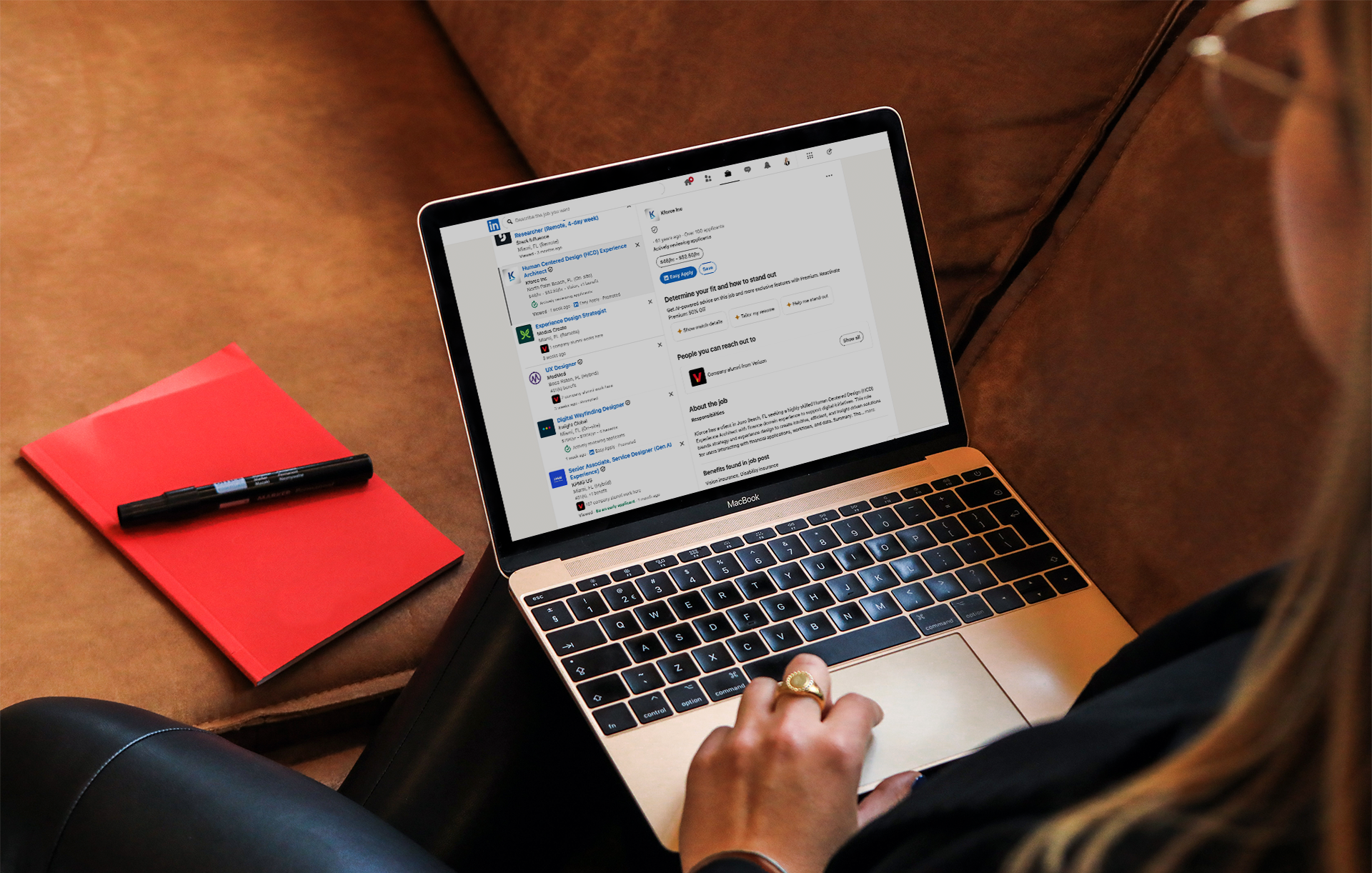
LinkedIn Jobs in 2026: Why Your Resume Should Change for Every Easy Apply
LinkedIn jobs have become one of the fastest ways to apply for new opportunities. With Easy Apply, job seekers can submit applications in seconds. But speed creates one of the biggest mistakes in modern job searching: using the same resume for every role. In 2026, that habit is hurting candidates more than helping them.
LinkedIn jobs are easier than ever, but harder to win
LinkedIn has become one of the largest job platforms in the world, with millions of new job listings and applications moving through the platform every month.
The Easy Apply feature changed job applications by removing friction. With one click, candidates can apply instantly.
But that convenience created a problem.
People now apply faster, but with less strategy.
And recruiters are overwhelmed.
That means companies rely heavily on Applicant Tracking Systems (ATS) to filter applications before human review.
The biggest Easy Apply mistake
Most job seekers upload one resume to LinkedIn and use it for every opportunity.
That feels efficient.
But ATS systems are built for relevance, not convenience.
Every job posting uses different language, priorities, and required skills.
If your resume does not align with that exact posting, it can rank lower or be filtered out completely.
Your resume should change for every LinkedIn job
A Product Designer role and a UX Research role may look similar, but ATS sees them differently.
One may prioritize research, testing, and user interviews.
Another may prioritize prototyping, design systems, and collaboration with engineers.
If your resume speaks too broadly, ATS may miss the match.
That is why every LinkedIn application deserves a customized resume.
How ATS reads your LinkedIn resume
ATS scans for:
- Job title relevance
- Skills alignment
- Keyword match
- Work experience
- Formatting clarity
- Industry terminology
It does not “understand” your career the way a recruiter does.
It looks for patterns.
And if your resume lacks the right patterns, your application loses strength.
How to optimize your resume before Easy Apply
Before you click apply:
- Read the full job description
- Copy the key responsibilities
- Find repeated keywords
- Adjust your summary
- Reorder bullet points by relevance
- Use exact skill language when applicable
For example:
Instead of writing:
“Worked on product experiences”
Write:
“Designed end-to-end user experiences, created prototypes, improved conversion flows, and collaborated with product and engineering teams”
Specificity improves ATS matching.
Quick Apply should not mean quick resume
Easy Apply is useful.
But it creates urgency that often leads to weak applications.
The better process is:
Pause. Review. Tailor. Apply.
Even ten minutes of resume editing can improve your match score.
That small adjustment can change whether your application gets seen.
Paste the job post and check your ATS score first
Before applying through LinkedIn jobs, test your resume against the actual job post.
This helps identify:
- Missing keywords
- Weak skill matches
- Formatting problems
- ATS compatibility issues
Here you can paste your job post and check your ATS resume score
It is one of the easiest ways to improve your resume before hitting Easy Apply.
Final thoughts on LinkedIn jobs in 2026
LinkedIn jobs have changed how people apply.
Faster applications created more competition.
And more competition means stronger filtering.
Your LinkedIn profile can stay consistent.
Your resume should not.
Every role is different.
Every ATS scan is different.
Every opportunity deserves a better match.
The smartest candidates are not the fastest applicants.
They are the most prepared.
Check your ATS resume score first
Paste your job post, upload your resume, and improve your match score before sending your application.